Data,Design,Direct Mail,EDDM Mailers,Flyers, Brochures & Booklets,Letters, Statements & Envelopes,Mail Campaigns,Postcards,Print,Self Mailer,Snap Packs
Headlines, Offers, Calls-to-Action, and the Role of Branding in Direct Mail
Direct Mail continues to be one of the most effective marketing channels for generating measurable customer responses. Unlike digital ads that compete for attention in crowded feeds, physical mail often receives focused attention from recipients. Research shows that Direct Mail campaigns average a 4.4% response rate, which is significantly higher than many digital channels (MailPro, 2026).
However, strong results depend heavily on the quality of the copy. Effective Direct Mail combines compelling headlines, valuable offers, clear calls-to-action, and consistent branding to guide readers toward taking action.
Write Headlines That Immediately Capture Attention
The headline is typically the first element a reader notices. Because recipients often scan their mail quickly, headlines must communicate value immediately.
Strong Direct Mail headlines are usually benefit-driven, specific, and easy to read. For example, instead of a vague headline like “Introducing Our New Service,” a more effective option might say, “Save 30% on Home Repairs This Month.”
Using numbers, clear benefits, and urgency can help a mail piece stand out in a crowded mailbox. Studies also show that recipients frequently engage with envelopes or headlines before deciding whether to continue reading (Postalytics, 2025).
Create Offers That Motivate Readers to Respond
A compelling offer is the driving force behind any successful Direct Mail campaign. Even the best headline will fail if the offer does not provide meaningful value.
Effective offers typically include:
- A clear benefit for the recipient
- Specific details such as discounts or bonuses
- Urgency, such as limited-time promotions
Common Direct Mail offers include discounts, free consultations, trial services, or exclusive promotions. These incentives encourage recipients to respond quickly rather than to postpone the decision.
Use Clear and Action-Focused Calls-to-Action
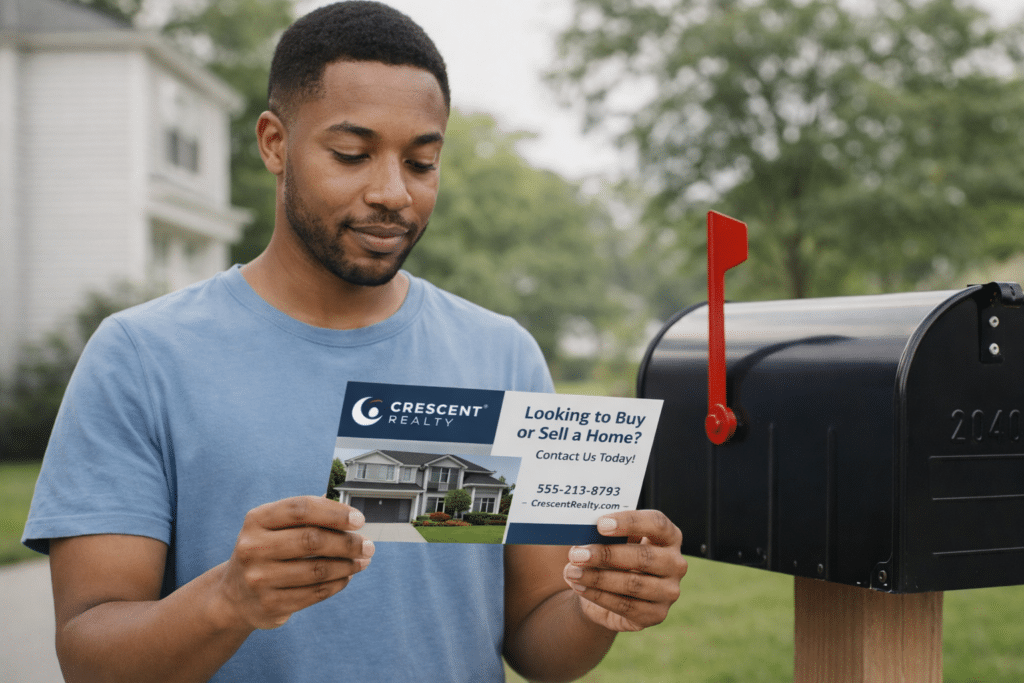
A call-to-action (CTA) tells the reader exactly what step to take next. Without a clear CTA, even interested recipients may fail to respond.
Examples of effective CTAs include:
- “Scan the QR code to claim your offer.”
- “Call today to schedule your free consultation.”
- “Visit our website to redeem your discount.”
Adding tracking tools such as QR codes, personalized QR codes, or promo codes can also help measure campaign performance and response rates.

Why Branding Matters in Direct Mail
While headlines and offers drive immediate responses, branding plays a critical role in long-term marketing success. Consistent branding – including logos, colors, and messaging – helps recipients recognize the sender and builds credibility.
Physical marketing materials can also create stronger emotional engagement and memory retention than digital advertising because they stimulate multiple senses and remain visible in the home longer (Schwartz, 2025). This increased exposure can improve brand recall and future customer engagement.
Combining Strategy and Creativity for Better Results
High-performing Direct Mail campaigns rely on a strategic balance of attention-grabbing headlines, compelling offers, clear calls-to-action, and recognizable branding. When these elements work together, they transform a simple mail piece into a powerful marketing tool that drives responses and builds long-term customer relationships.